





What Businesses Need To Know About Meta Business Terms AI Training
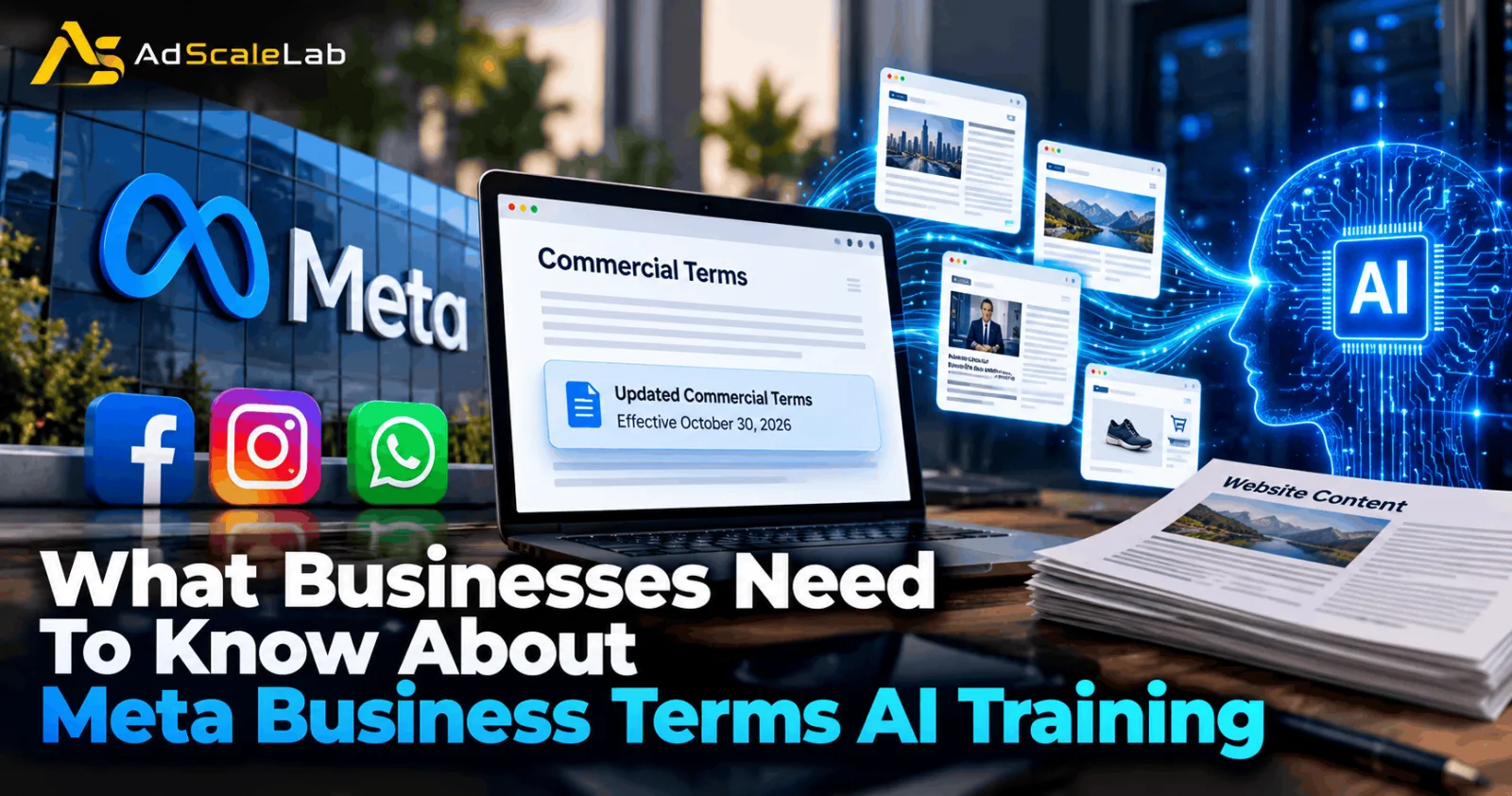
Meta's new business terms have raised concerns about how the company may access and use content from business websites. The Meta business terms AI training debate began after reports in October 2026 highlighted new wording in Meta's updated Commercial Terms. The changes are scheduled to take effect on October 30, 2026, and could affect businesses that use Facebook, Instagram, WhatsApp and other Meta services for commercial purposes.
The issue has attracted attention from news publishers, website owners and legal experts. Their main concern is that the updated terms could allow Meta to use automated tools to collect content from websites connected to businesses using its platforms. The wording also refers to using collected material to develop, improve, research and train Meta products.
Meta has disputed the suggestion that the changes represent a new plan to scrape news websites for AI training. The company says the update brings existing terms together and is intended to help it access accurate product information for advertising and content recommendations. However, questions about the wording and its possible reach remain important for businesses to understand.
What Do Meta Business Terms AI Training Concerns Mean?
The issue became public after Nieman Journalism Lab reported on October 15, 2026 that Meta's updated Commercial Terms could allow the company to crawl websites associated with businesses using its services.
Web crawling is the process of using automated software to visit websites and collect information from their pages. These tools can be used for different purposes, including indexing information, checking links and gathering product details. Search engines use crawlers, and technology companies may use them to support their own online services. The concern in this case comes from the wording of Meta's proposed terms. The reported clause refers to automated tools such as bots, scrapers, spiders, crawlers and user agents. It also covers domains, pages and URLs associated with a business's products or services.
Legal experts who examined the wording questioned whether it could extend beyond product information and include articles, reports and other content published by news organisations. Since Meta develops AI products, the language about training and improving its products became a central part of the debate. This does not mean Meta has publicly confirmed that it will train AI on every website connected to a business account. Instead, the controversy is about what the wording could permit and whether businesses have enough control over how their content is accessed and used.
Why Are News Publishers Worried About Meta's New Terms?
News publishers invest money and time in reporting, researching, writing and editing stories. Their websites may earn revenue through advertising, subscriptions, licensing agreements and readers who visit their pages. If online articles can be collected and used to develop AI products without a separate agreement, publishers may worry that their work could generate value for another company without fair compensation. They may also be concerned that AI-generated answers could provide information similar to their reporting without encouraging users to visit the original source.
These concerns are part of a wider debate about copyright and AI training. Technology companies need data to develop their systems, while publishers and creators want to know when their work is being used and whether they have a right to refuse or receive payment. The Meta business terms AI training controversy adds another layer to that debate because permission may be connected to the use of business services. A publisher could use Meta to promote its articles, manage a Facebook Page or run advertising campaigns. The question is whether continuing to use those services could also give Meta broader permissions concerning the publisher's website.
The News/Media Alliance raised concerns about the possible effect of the updated wording on copyrighted content. Its response reflects the wider worries among media organisations about how AI companies collect and use online material. However, the legal position should not be treated as settled. Whether a particular use of content is permitted can depend on the final terms, the content involved, applicable law and other relevant facts.
What Has Meta Said About Website Crawling And AI Training?
Meta has rejected the suggestion that the update is intended to introduce a new plan to scrape news websites for AI training. The company has described the changes as an effort to consolidate existing terms and help it obtain accurate information about products sold on third-party websites.
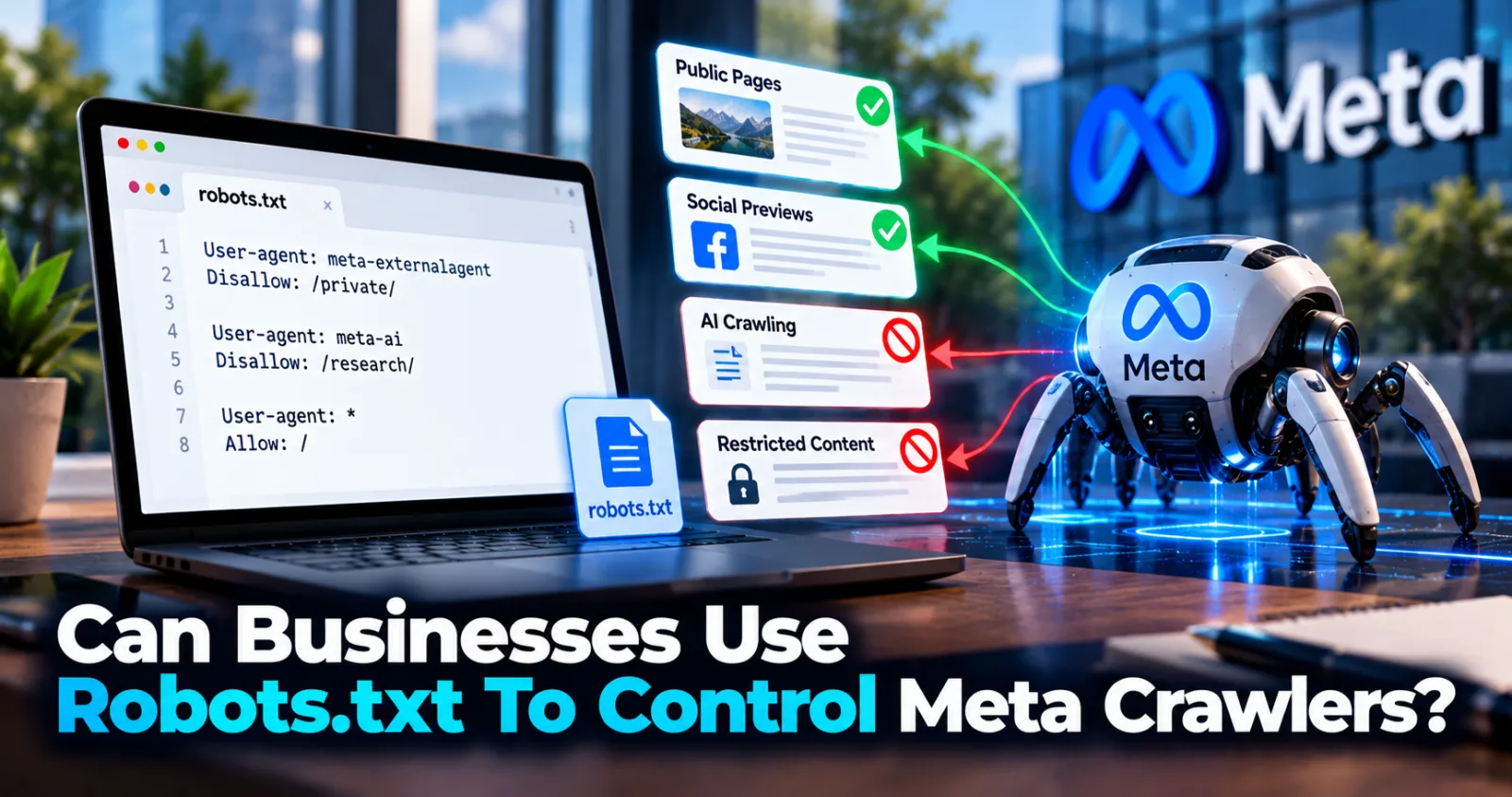
Meta said the update was intended to support product information, advertising and content recommendations rather than target news sites. Meta has also said website owners can use robots.txt to manage crawler access. A robots.txt file is a simple text file that communicates which parts of a website automated crawlers are asked to access or avoid.
That response is important, but it does not remove every question about the wording. Some legal experts have argued that the language could be read more broadly than Meta's stated purpose. The difference between what a company says it intends to do and what a contract could allow is why the terms have received attention. As of the latest reporting reviewed for this article, readers should not treat the controversy as proof that Meta has begun using all business website content to train its AI systems. The central issue is the potential scope of the terms and the level of control website owners retain.
How Could Meta Business Terms AI Training Affect Advertisers?
The Meta business terms AI training debate is relevant to advertisers because many companies depend on Meta's platforms to reach customers. Businesses use Facebook and Instagram to promote products, generate leads, manage pages and direct people to their websites.
For example, an online retailer may want Meta to access product descriptions, prices and availability to improve shopping-related features. However, that retailer may not want every page on its domain to be accessed for other purposes. A software company may have public product pages alongside research, customer documentation or other commercially valuable material.
The terms therefore raise questions about the relationship between advertising access and website content. Businesses need to understand what permissions they grant when they use commercial tools, especially if their websites contain original material that has value outside their social media activity. Advertisers should not assume that every page will automatically be collected. At the same time, they should not ignore the updated terms simply because Meta has explained a narrower intended purpose. Companies can review the official Meta Commercial Terms and Meta's web crawler documentation to check the relevant language and technical guidance.
This issue also connects with the wider discussion about AI search visibility. As AI-powered services become more involved in discovering products and answering questions, businesses need to understand how online information is accessed and used across different platforms.
Can Businesses Use Robots.txt To Control Meta Crawlers?
Website owners can use robots.txt to communicate crawler preferences, but they need to understand how the system works before making changes. Different crawlers can perform different jobs. One may help create a preview when a user shares a link on Facebook, while another may be used for AI-related purposes. Blocking every Meta crawler without checking its function could affect services that a business still wants to use.
Businesses should first review Meta's official crawler documentation and identify the relevant crawler names. They can then check their robots.txt file and decide whether to restrict access to particular crawlers or parts of their websites.
Website owners should also remember that robots.txt is not a complete legal solution. It communicates technical instructions to crawlers, but it does not automatically resolve every question about contractual permission or copyright. Meta says owners can use robots.txt to manage access, while legal experts have raised questions about how those controls relate to the updated terms. Companies with valuable original reporting, proprietary research or paid content may want to seek professional advice before making a decision. It is better to understand the available options than to make a rushed change that affects useful services.
What Should Businesses Do Before October 30, 2026?
The updated Commercial Terms are scheduled to take effect on October 30, 2026. Businesses that use Meta products for commercial purposes should review the latest terms before that date and check whether the wording has changed since the first reports appeared. They should also identify which websites and domains are connected to their Meta business accounts, product catalogues, advertising campaigns and other tools. This can help them understand which parts of their online presence may be relevant to the policy.
Next, website owners should review their crawler settings and determine whether they want to restrict access by specific automated tools. They should check the likely effect of any restrictions before applying them, especially if social media link previews or other Meta features are important to their business. Businesses that publish original articles, research or other valuable content should consider getting legal advice if they are unsure about the terms. A legal professional can help them understand the difference between technical crawler controls, contractual permissions and copyright protections.
Finally, companies should keep a record of the terms they reviewed and any official notices they received. Since the debate has developed quickly, relying on an older article or an outdated version of the policy could lead to confusion.
What Happens Next In The Meta Business Terms AI Training Debate?
The next major date is October 30, 2026, when the updated Commercial Terms are scheduled to take effect. Businesses, publishers and legal experts will be watching for further clarification from Meta and any changes to the official wording. The wider discussion about AI training and content rights is also likely to continue. Publishers want greater clarity about how their work may be accessed and used, while advertisers need to understand the conditions attached to platforms that support their marketing activities.
For now, the Meta business terms AI training controversy highlights an important issue for the digital advertising industry: businesses need to understand not only how advertising platforms use campaign data, but also what their commercial agreements say about websites connected to their accounts. Meta has disputed the claim that the update is intended to scrape news websites for AI training. At the same time, legal experts have questioned whether the original wording could be interpreted more broadly. Businesses should review the latest official terms and crawler documentation rather than relying on a single headline.
The final wording and its practical application will matter most. Until those details are clear, companies should stay informed, review their website controls and make decisions based on the latest reliable information.
Agency ad accounts, without the wait.
Buy and top up Google, Meta, native, and more from one dashboard.
Get started


No comments yet. Be the first to comment.
Comments are open to registered AdScaleLab clients.
Sign in to comment