



Programmatic Advertising Changes as Google Traffic Falls
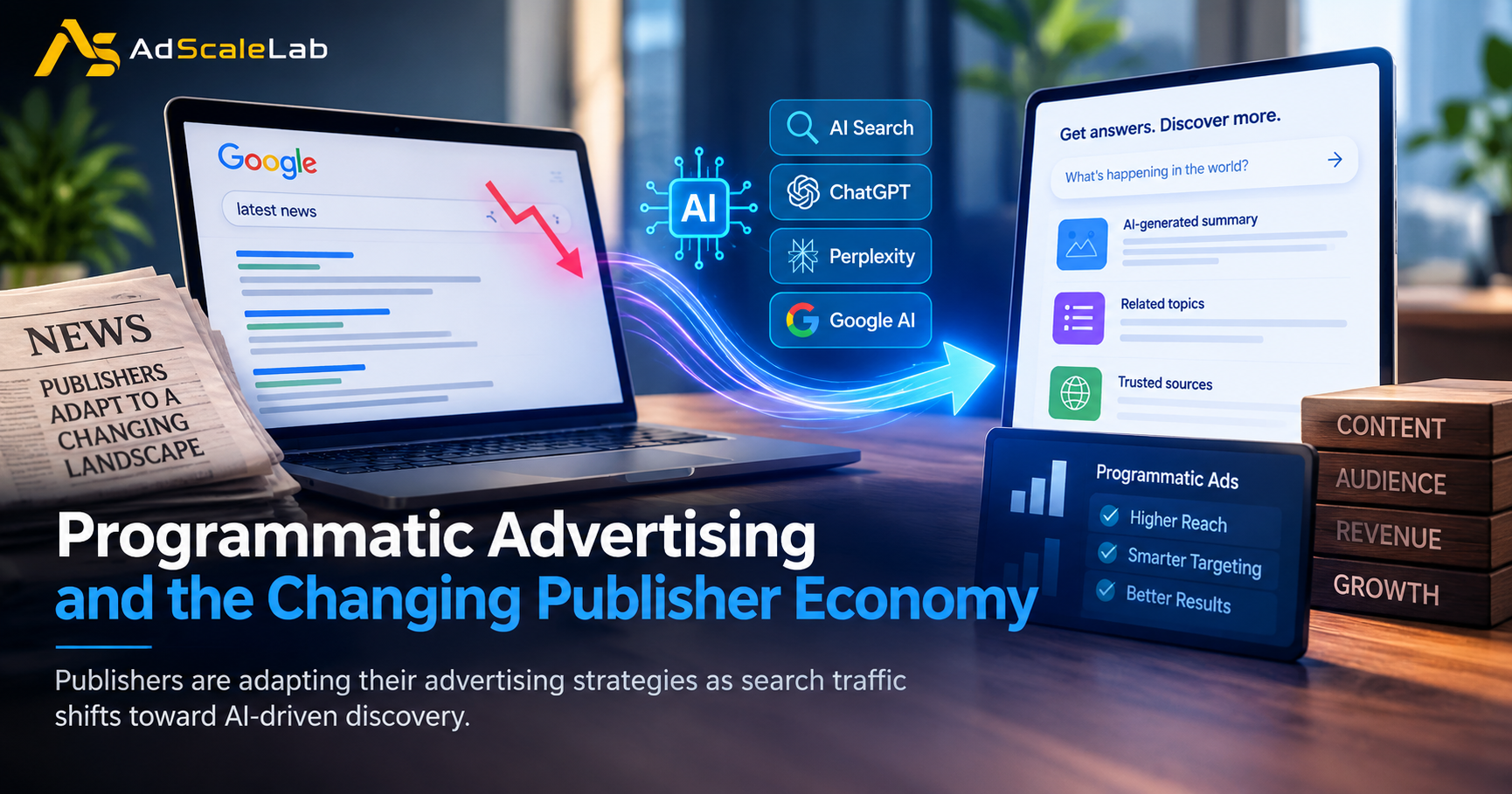
For years, publishers had a fairly simple way of growing their online businesses. They created content, attracted visitors from search engines and social platforms, showed advertising to those visitors and earned revenue from the traffic they generated. Google search played a major role in that system because it could send large numbers of people to news sites, blogs, reviews and other websites. But that model is changing, and publishers are now having to think more carefully about where their audiences come from and how they make money from them. Programmatic advertising has become an important part of this conversation because changes in publisher traffic can directly affect the amount and value of advertising inventory available to buyers.
Publishers Are Preparing For a Different Search Environment
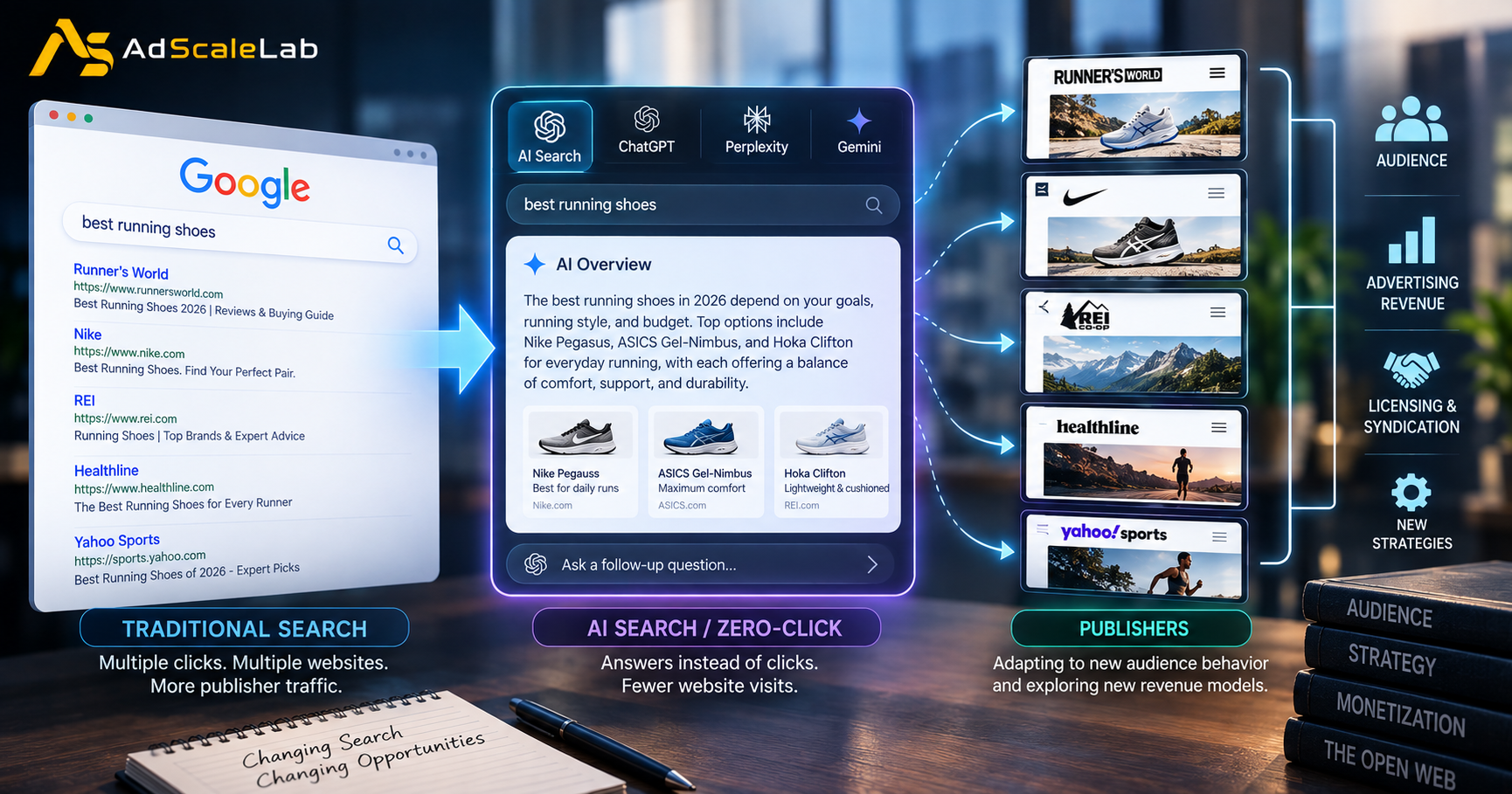
The issue became a major topic during the Digiday Publishing Summit in Miami, held from September 14 to 16, 2026. In a September 17 report, Digiday described conversations among publishers about what it called the "Google Zero" environment, along with the growing role of AI platforms in how people find and consume information. The discussion goes beyond the question of whether a particular Google update has helped or hurt a website. Publishers are increasingly thinking about a larger change in the online journey itself. Instead of searching, clicking a result and spending time on a publisher's website, users can increasingly receive summaries, answers and recommendations directly inside search and AI interfaces.
That change matters because a website visit has traditionally been much more than a traffic number for a publisher. A reader who arrives through search can view an article, see advertising, read another story, sign up for a newsletter or eventually become a subscriber. The visit gives the publisher several opportunities to create value. When the information is delivered before the reader reaches the website, some of those opportunities may become harder to capture. This is why publishers are now discussing not only how to recover traffic, but also how to build businesses that can continue to generate revenue when traffic sources behave differently.
The concern does not mean that every publisher is losing traffic in exactly the same way, and it does not mean that search has stopped being valuable. Instead, the current discussion shows that publishers are preparing for a more complicated environment in which Google search, social platforms, direct audiences and AI systems all influence discovery. That broader change is important for the advertising market because publishers ultimately need audiences that advertisers can reach and value.
Why This Matters For Programmatic Advertising
The relationship between publisher traffic and programmatic advertising becomes clearer when looking at how digital advertising inventory is created. Programmatic advertising allows advertisers to buy digital impressions through automated systems, while publishers make advertising space available across their websites and apps. The process can happen at a very large scale, which is one reason programmatic has become such an important part of digital media buying. But the system still depends on people being present in digital environments where advertising can be shown.
When a publisher receives fewer visits, it can have fewer page views and therefore fewer opportunities to show ads. That does not automatically mean that the remaining inventory becomes less valuable. A smaller audience can still be commercially important if it is highly engaged or closely matched to an advertiser's target. The issue is that the overall economics of publisher advertising can change when traffic patterns change. Publishers need to understand where their audience is coming from, while advertisers need to understand what kind of audience sits behind the inventory they are buying.
This is one reason the current conversation should not be described as the death of programmatic advertising. The technology used to buy advertising can remain useful even while the traffic sources supporting publisher businesses change. What is changing is the environment around the buying process. Publishers may need a wider combination of direct traffic, social discovery, subscriptions, premium advertising, commerce, licensing and other revenue sources so that their businesses do not depend too heavily on a single path to their websites.
The Open Web Is Entering A More Complicated Traffic Environment
For much of the modern web, search engines helped connect people with individual websites. A person could search for a question, open several results, read different sources and move from one publisher to another. Publishers could then use those visits to build audiences and monetize their content. Search engine optimization became an important part of publisher strategy because ranking in search could create a steady stream of visitors without requiring a publisher to pay for every visit.
AI search introduces another layer into that process. When an AI system summarizes information for a user, the user may not need to open several separate websites before getting an answer. This type of experience is often described as zero-click or summary-first search because the information can be consumed without a traditional click to the source. For publishers, the challenge is not simply that a click might be missing. The bigger question is how much commercial value can be created when a reader interacts with information without entering the publisher's own environment.
Digiday's September 14 report on publisher audiences described this changing behavior and the ways publishers are responding. The report was based on a survey of 85 publishers and discussed changes in audience behavior, direct visits and the growing involvement of publishers with AI search companies. It also described publishers exploring licensing and syndication arrangements. These developments show that the publishing industry is not responding to AI with one single strategy. Different publishers are testing different ways to preserve the value of their content and audience.
For advertisers, the shift is worth watching because media buying ultimately follows people. If audiences change how they move around the internet, advertising strategies can change with them. A buyer may still use programmatic systems to reach a publisher audience, but the mix of websites, formats, audience signals and inventory available through those systems can evolve as publisher businesses evolve.
AI Search Is Also Creating A Measurement Challenge
Traffic is only one part of the problem. AI creates a new question around measurement because a publisher's content can potentially influence what a user sees without producing a conventional website visit. In a traditional web environment, publishers can measure page views, sessions, referrals and engagement. Those measurements help them understand how content performs and how much advertising inventory they can create. AI interfaces make the relationship between content and audience attention less direct.
The Interactive Advertising Bureau has been working on this measurement issue. In August 2026, IAB released "Measuring Visibility in the AI Era," a framework designed to help the industry think about visibility in AI environments. The framework discusses four areas: Presence, Prominence, Portrayal and Persuasion. The broader goal is to create more consistent ways of understanding how brands and publishers appear in AI experiences.
This could become important for publishers because visibility may have value even when it does not immediately produce a website visit. A publisher could see its reporting, reviews or other content referenced in an AI-generated answer while receiving fewer direct clicks from that interaction. If publishers can measure that visibility in a consistent way, it could eventually become part of conversations with advertisers, platforms and AI companies about the value of their content.
AI Licensing Adds Another Possible Revenue Path
The changing search environment is also encouraging publishers to look at ways of earning money from their content outside the traditional page-view model. On September 14, Digiday reported that Google was rolling out a pay-per-use AI licensing program for publishers. The report described the program as an early-stage effort being tested through Search Console and based on usage rather than a traditional upfront licensing payment.
The importance of developments like this is that they create another possible relationship between content and revenue. In the traditional advertising model, a publisher generally needs a user to arrive on a page before that page can generate an advertising impression. With licensing, the value of the content can be connected to its use by another system. That does not make licensing a replacement for advertising, and it is too early to know how large such programs could become, but it gives publishers another option to consider as AI changes content discovery.
This is part of a much wider change in the publisher business. Advertising, subscriptions, sponsorships, commerce, direct partnerships and licensing do not have to compete as completely separate models. A publisher can use several of them at the same time. The more uncertain traffic becomes, the more important it can be for publishers to understand which parts of their content and audience create value and which revenue models can capture that value.
Publishers Are Looking for Stronger Direct Connections
Another response to changing search behavior is a greater focus on direct relationships with audiences. A publisher that receives a large amount of traffic from search can be affected when search behavior changes, while a publisher with strong direct traffic, newsletters, memberships or subscriptions has other ways to maintain contact with readers. Direct relationships can also give publishers more information about their audiences and create opportunities for premium advertising products.
This does not remove programmatic advertising from the picture. A publisher can sell some inventory directly to advertisers while using programmatic demand for other inventory. It can also combine advertising with sponsorships, branded content, subscriptions and commerce. The result is a broader publisher monetization strategy in which programmatic advertising becomes one component of a larger business rather than the only way a publisher turns traffic into revenue.
For advertisers, this creates a more complicated media buying environment but also a more important reason to understand publisher quality. Large amounts of inventory can be available through automated systems, but advertisers still need to consider where the impressions come from, what audiences they represent and what kind of context surrounds an ad. As the traffic environment changes, simply looking at the number of impressions available may not tell the entire story.
What The Change Could Mean For Advertisers
The changes publishers are discussing could eventually affect how advertisers plan campaigns across the open web. Advertisers may have to pay closer attention to the quality and composition of publisher audiences instead of looking only at total traffic. A publisher with a smaller but highly engaged audience can offer a different opportunity from a website with a large amount of low-intent traffic. This is not a new idea in advertising, but changes in audience discovery can make the distinction more important.
Advertisers may also need to think about diversification. Search, social, native, display, video and other channels each provide different ways to reach people. A media plan that uses several channels can give advertisers more options when audience behavior changes in one part of the market. Programmatic advertising can remain an important way of accessing digital inventory, while native and other formats can provide additional ways to connect with audiences in publisher environments.
The publisher side of the market may also produce new advertising products. As publishers look for revenue beyond ordinary page views, they can experiment with premium placements, sponsorships, first-party audience products and other commercial partnerships. For media buyers, this means the relationship between publisher inventory and advertising strategy may become more nuanced. The most useful question may not simply be how much inventory is available, but what kind of audience and environment that inventory represents.
Native Advertising Could Become Part Of The Conversation
Native advertising fits naturally into this broader discussion because it is designed to appear within content environments rather than functioning only as a separate display unit. Publishers that are trying to keep readers engaged and advertisers that want to reach audiences in editorial settings can both have reasons to consider native formats as part of a wider advertising strategy. AdScaleLab's provides additional context on the major networks advertisers can use when planning native campaigns.
The relationship between native and programmatic advertising can also be flexible. Advertisers do not necessarily have to choose one format for every campaign. Depending on the objective, audience and platform, native placements can sit alongside programmatic display, video and other digital formats. The important part is understanding what each format is designed to accomplish and measuring the campaign against the right business goal.
For advertisers comparing native networks, the MediaGo vs Taboola comparison can provide a closer look at how two major platforms differ in areas such as reach, platform features and campaign setup. At the same time, advertisers should remember that choosing a network or format is only one part of campaign performance. Creative quality, targeting, landing pages, offers and campaign management can all influence results. AdScaleLab's guide on why native ads do not work for many advertisers explores some of the common problems that can make native campaigns struggle.
Programmatic Advertising Is Not Disappearing
It is important to keep the current changes in perspective. A decline in one source of publisher traffic does not automatically mean that programmatic advertising is becoming irrelevant. Programmatic remains a way for advertisers to access digital inventory at scale, and publishers can continue using programmatic demand to monetize available advertising space. What is changing is the environment in which that inventory is created, discovered and consumed.
If users increasingly discover information through a combination of search, AI systems, social platforms and direct relationships, publishers will need to adapt to that mix. Their websites can still attract readers, their advertising inventory can still be bought programmatically and their content can still have value. However, the path from a user's question to a publisher's page may not look exactly the same as it did several years ago.
That makes measurement and audience quality increasingly important. Advertisers need to understand whether the impressions they buy are reaching the right people and whether those impressions contribute to their campaign goals. Publishers need to understand which sources are bringing valuable audiences and which revenue models are working. The technology behind the transaction can remain largely automated while the business questions around it become more complex.
What Publishers Need To Watch Next
The next stage of this shift will depend on how quickly audience behavior changes and how publishers respond. Publishers will need to keep measuring traffic from traditional search while also paying attention to direct audiences, social distribution and visibility inside AI environments. They will also need to understand whether new revenue sources such as AI licensing, subscriptions and premium advertising can make up for changes in traditional traffic patterns.
Advertisers will be watching the same market from another side. They will need to follow changes in publisher inventory, pricing, audience quality and campaign performance. If some publishers receive less search traffic while others build stronger direct audiences, the value of different inventory can change. That does not mean every publisher or advertising channel will move in the same direction, but it does mean that media buyers will need to pay attention to the underlying audience rather than relying only on historical assumptions.
For agencies and media buyers, this makes measurement especially important. A campaign should be evaluated through the metrics that matter to its objective, including reach, viewability, engagement and conversions where appropriate. The number of impressions purchased is useful, but it does not explain the full value of an advertising campaign. As the open web becomes more fragmented across search, AI, social and direct channels, understanding the quality and context of each impression becomes more important.
The Advertising Model Is Changing With The Audience
The conversations reported from the Digiday Publishing Summit show that publishers are preparing for a period in which the old connection between search traffic, website visits and advertising revenue cannot simply be assumed to continue in the same way. Google search remains an important source of discovery, but AI systems are creating another layer between users and publisher websites. That makes audience development and monetization a broader challenge than it was before.
The response is already taking several forms. Publishers are looking at direct relationships with audiences, new advertising products, subscriptions, sponsorships, commerce and AI licensing alongside their existing advertising businesses. The exact mix will differ from one publisher to another, but the direction is clear: content needs to create value in more than one environment.
For advertisers, the change means that programmatic advertising remains relevant while the conditions around it continue to evolve. Buyers still need scalable access to digital inventory, but they also need to understand the audiences behind that inventory and how those audiences are reaching publisher environments. Native advertising, display, video and other formats can all remain part of the mix as advertisers adjust their media plans.
The open web is therefore not simply moving from one advertising model to another overnight. It is becoming a more mixed environment in which search, AI, social platforms, direct audiences, publishers and advertising systems interact. As that environment develops, publishers will continue looking for sustainable ways to monetize attention, while advertisers will continue looking for quality audiences and measurable results. Programmatic advertising will remain part of that process, but its role will be shaped by the larger changes happening in how people discover and consume information.
Agency ad accounts, without the wait.
Buy and top up Google, Meta, native, and more from one dashboard.
Get started
No comments yet. Be the first to comment.
Comments are open to registered AdScaleLab clients.
Sign in to comment