



Native Advertising Vs Facebook Ads And When Native Wins
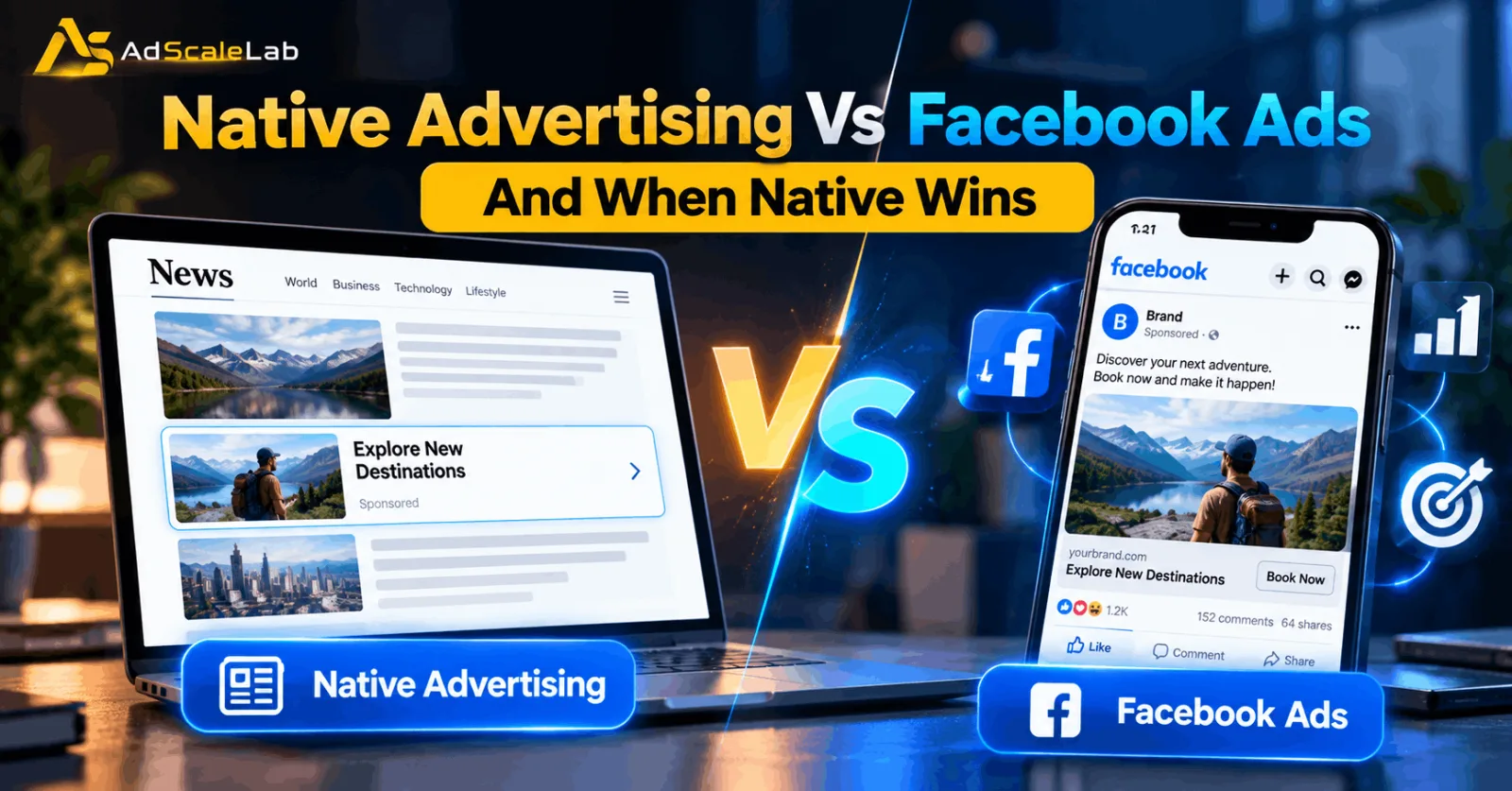
Most people weighing up native advertising vs Facebook ads are not really comparing two channels, they are looking for somewhere to put budget that is no longer working where it used to, whether that is because the account keeps getting disabled, because the cost per lead has drifted past what the offer can carry, or because the audience they want does not spend its day in a feed. Native is worth understanding for that reason rather than because it is new, since it has been running quietly on the same news sites for years.
This explains what native actually is, how buying it differs from buying social, and the situations where it does and does not beat Meta.
What Native Advertising Is
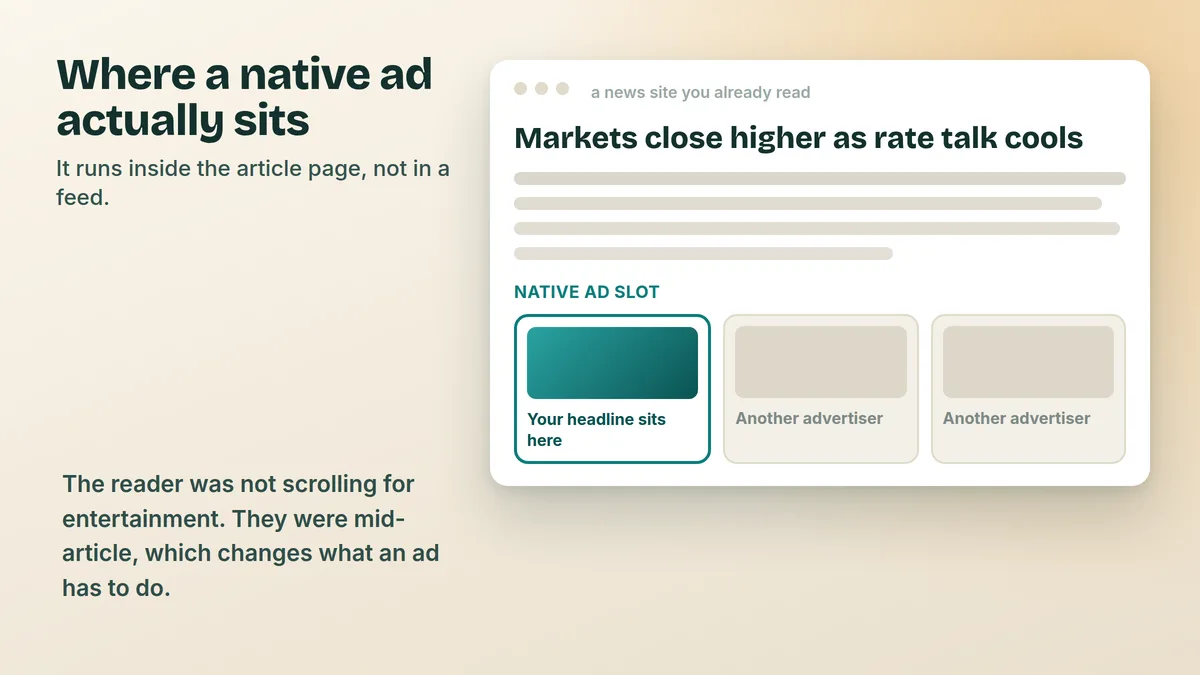
Native ads are the recommendation slots that sit inside articles on ordinary publisher sites, so instead of appearing between posts from friends, your headline and thumbnail appear at the bottom of a news story, styled to match the page it sits on.
The inventory is real publishing, not an off-brand corner of the internet. Taboola places ads across premium publishers including CNN and Bloomberg, Outbrain runs a similar network, and MediaGo, which is Baidu's platform for advertisers outside China, reaches audiences across 37 countries and gets a large share of its scale through Microsoft's MSN properties.
How Buying Native Differs From Buying Social
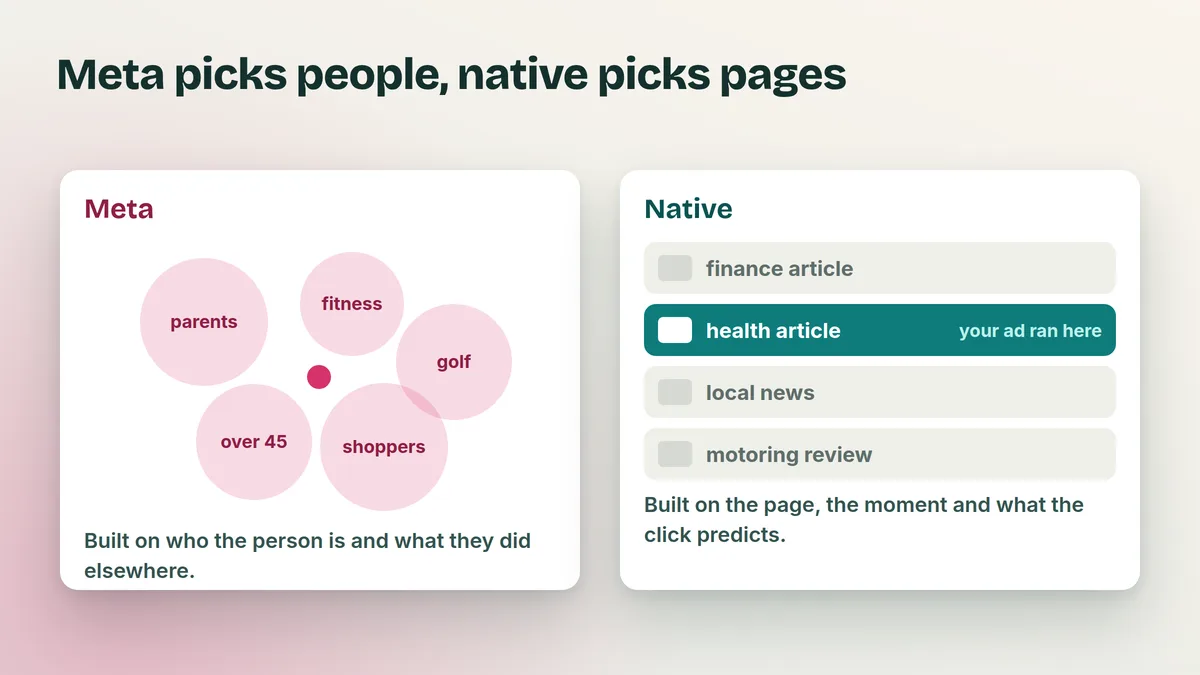
The first difference is how the platform decides who sees the ad. Meta builds an audience out of people, using interests, behaviour and lookalikes, whereas native platforms mostly buy pages and moments, matching your creative to the article someone is reading and to a prediction about whether that click will convert.
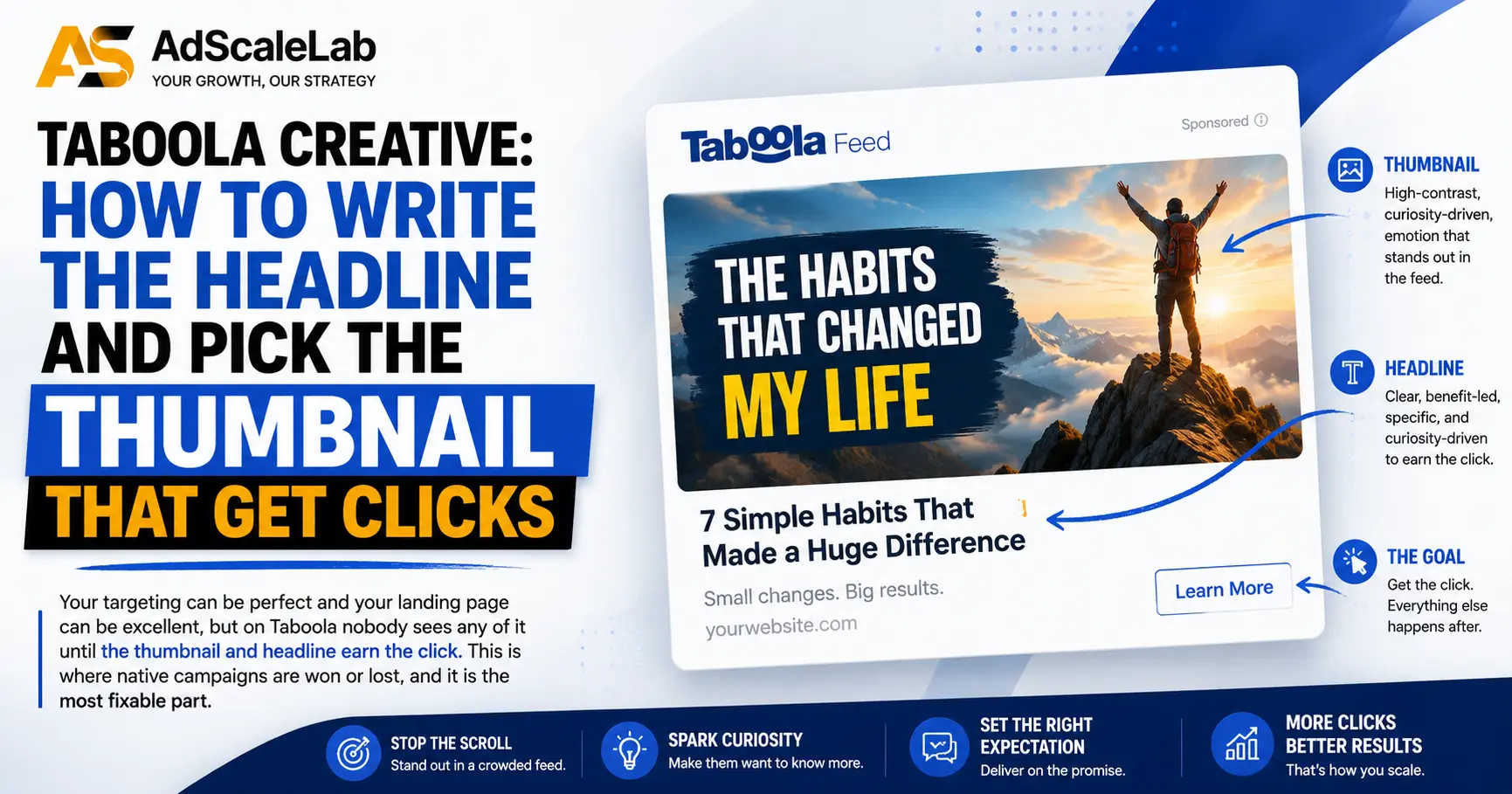
That has a practical consequence, which is that the levers you are used to pulling are not all there. You can target country, device and often region, and on some platforms narrow further, but there is no stack of interest layers to hide behind, and the thing that decides your cost is mostly the headline, the thumbnail and the page you send the click to.
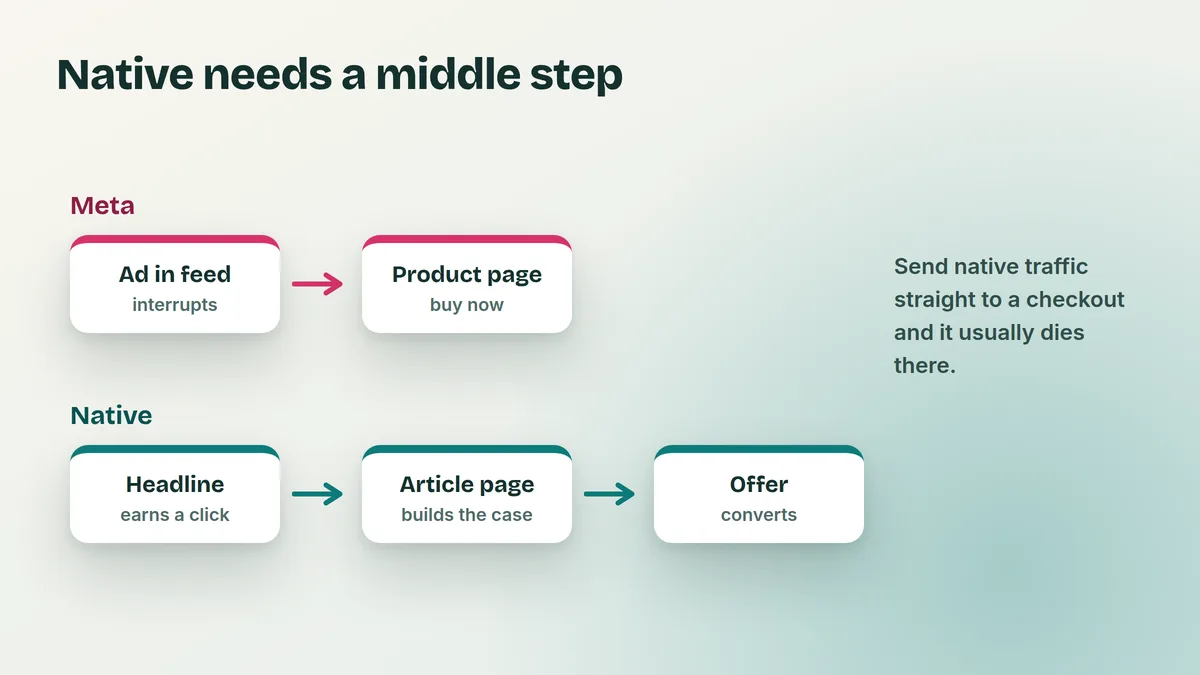
The second difference is the shape of the funnel. Social traffic interrupts someone and can often go straight to a product page, while native traffic is already mid-article and expects to keep reading, so the pages that work are usually the ones that explain something first and sell second.
Sending native clicks directly to a checkout is the single most common way people conclude that native does not work for them, when what actually happened is that a reader mid-story was asked to buy before anything had been explained.
The third difference is the approval process. Native networks review the destination page as well as the ad, and they care about things that Meta will often let slide, including missing policy pages, hidden contact details and claims the page cannot support. That review happens before you spend, which is why we built a URL check into our dashboard, so the page gets a verdict from our compliance team before an account is paid for rather than three days into a campaign. The detail on what reviewers look at is in our post on why landing pages get rejected.
Native Advertising Vs Facebook Ads, When Native Wins
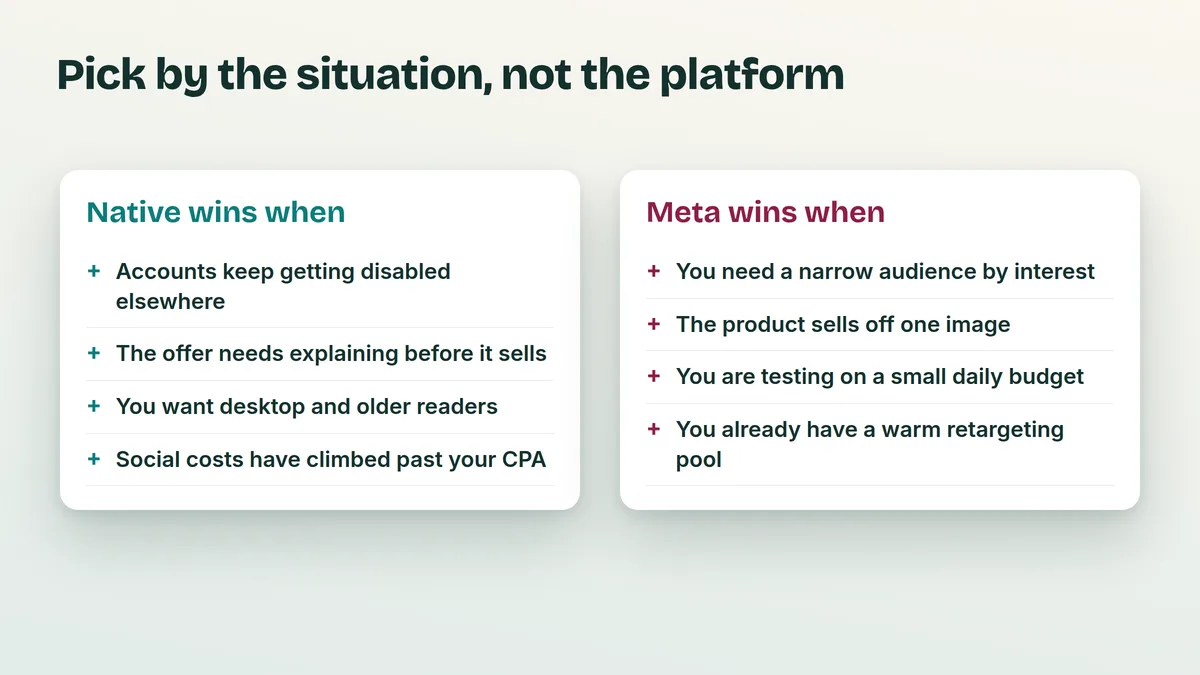
There are four situations where the answer to native advertising vs Facebook ads comes out in favour of native, and they are all situational rather than a claim that one platform is better.
Your accounts keep getting disabled. Plenty of legitimate businesses spend more time appealing bans than running campaigns, especially in finance, supplements, insurance and anything health adjacent. Native networks are not lax, and they will reject a page just as firmly, but they tell you why in writing and the rules stay put, which makes compliance something you can actually plan around.
The offer needs explaining. If it takes a few hundred words for the product to make sense, a feed ad is fighting its format, while a native click that lands on a well built article page has room to do that work before asking for anything.
You want desktop and an older reader. News site audiences skew older and spend more time on desktop than social audiences do, which matters for products bought at a desk rather than on a phone at eleven at night.
Social costs have outgrown your margin. Native CPCs are usually lower than social for the same vertical, and while the click quality is different, a cheaper click with a longer page behind it can land at a lower cost per sale.
When Meta Is Still The Right Answer
Native is not a rescue for every situation, and there are cases where staying put makes more sense. If your customer is defined by a narrow interest rather than by a topic, Meta's targeting still does something native cannot, and if the product sells off a single image with no explanation needed, the longer native funnel is just extra work.
Budget matters too. Native platforms want enough daily spend to learn from, which in practice means a few hundred dollars a day for a meaningful test rather than the twenty a day you might use to keep a social campaign ticking over, so a very small budget usually learns faster on social.
What A First Native Test Looks Like
A serious test needs three things in place before any money moves, which are an account that can actually spend, a destination page that will pass review, and tracking that reports conversions back to the network so the bidding has something to learn from.
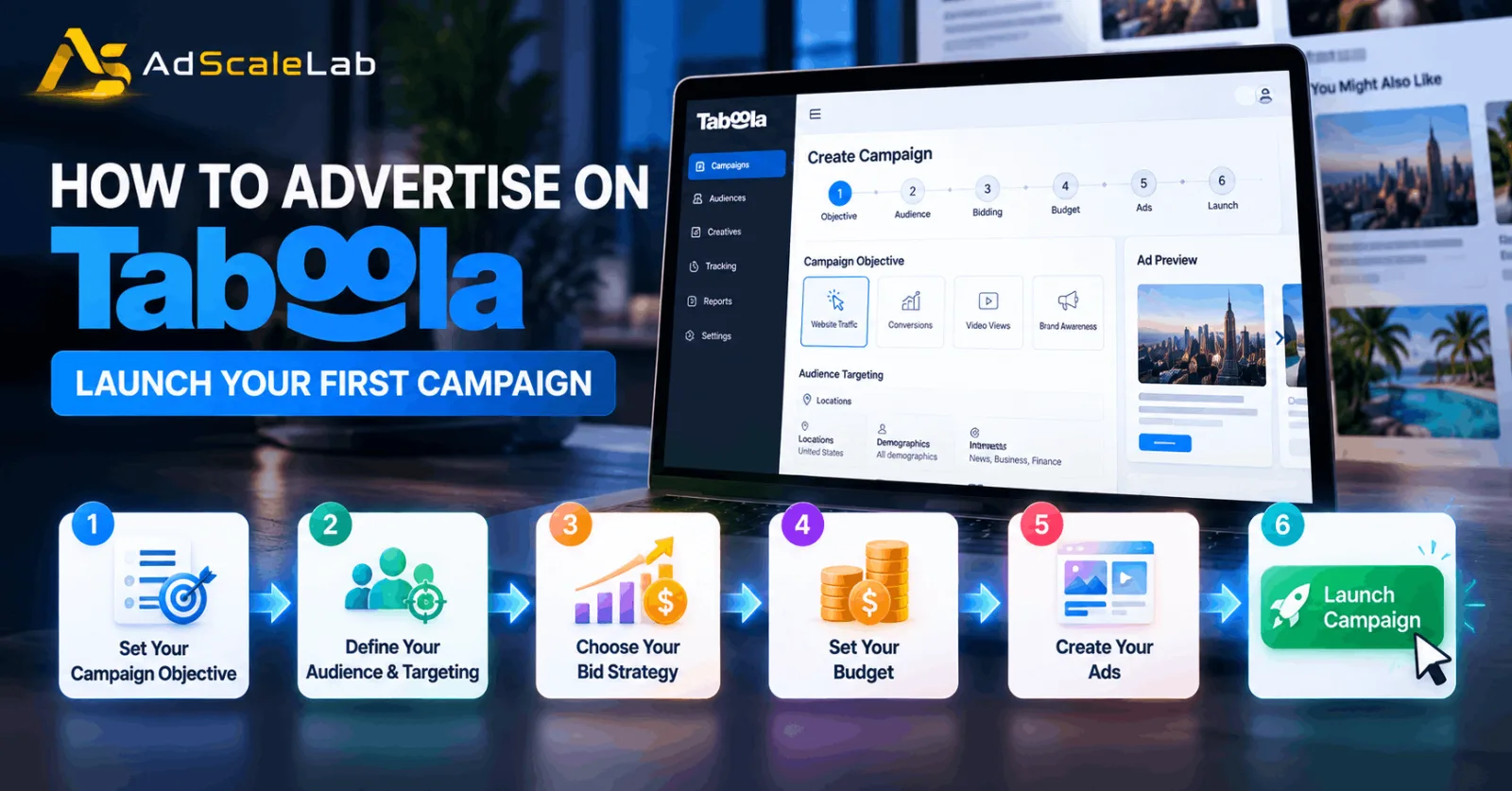
After that it is a week of leaving it alone, then reading the site by site report to see which publishers earned their spend and which did not. The mechanics for each platform are in our step by step guides on how to advertise on Taboola and how to advertise on MediaGo, and if you are choosing between networks, Taboola against Outbrain covers the differences that matter for a first buy.
The part people underestimate is the account itself, since these networks do not all hand out self-serve access, and a fresh account with no history gets watched closely and throttled early. That is what an agency account solves, and you can get Taboola or MediaGo accounts through AdScaleLab with the destination URL checked before delivery, or have us run the campaigns for you if you would rather buy the outcome than learn a new platform.
Either way, the comparison of native advertising vs Facebook ads is worth making on your own numbers rather than on anyone's opinion, because the channels behave differently enough that the only real answer comes from a test with tracking attached.
Agency ad accounts, without the wait.
Buy and top up Google, Meta, native, and more from one dashboard.
Get started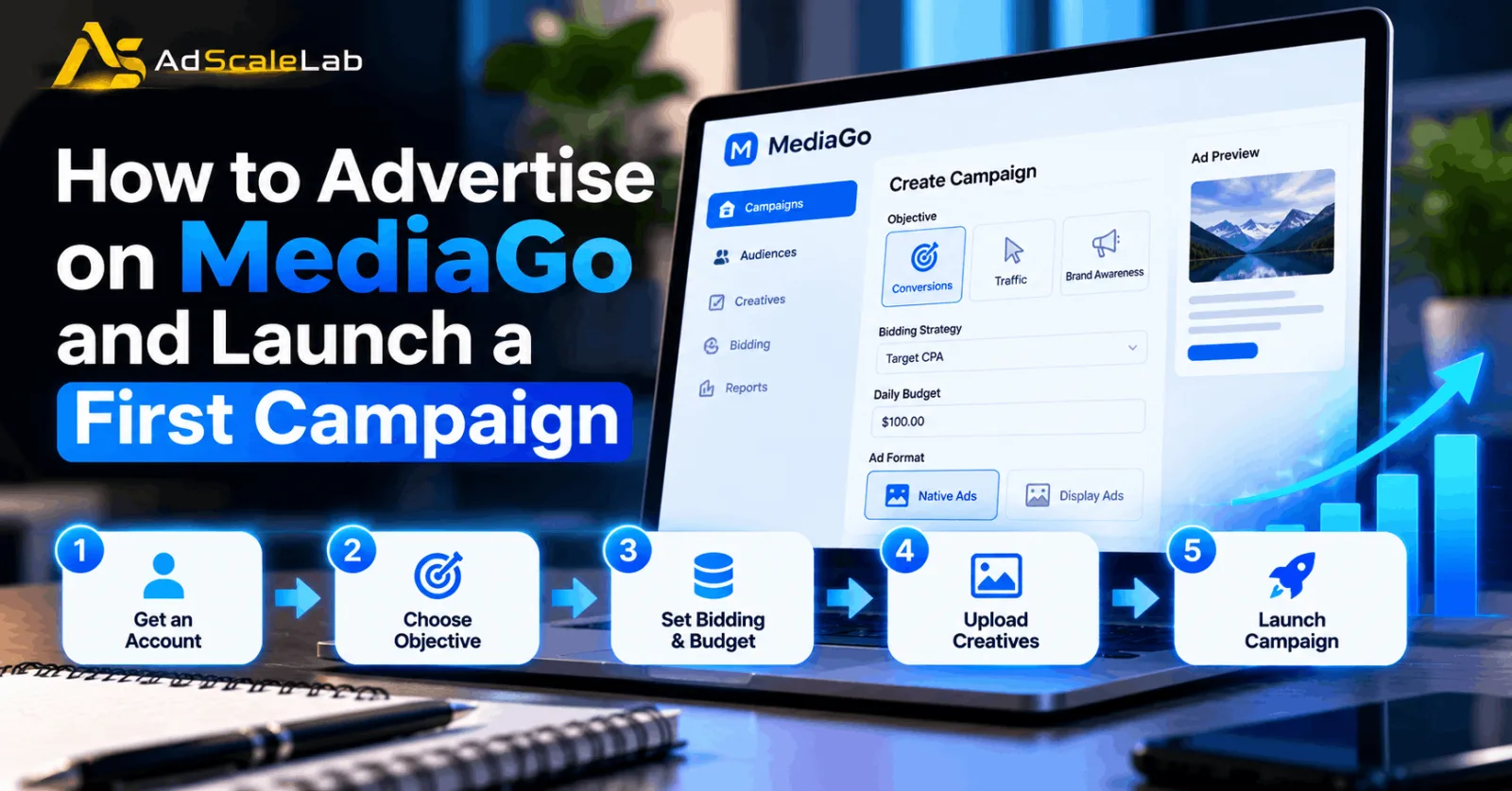
No comments yet. Be the first to comment.
Comments are open to registered AdScaleLab clients.
Sign in to comment